
Many patients compare dentures vs implants when they are ready to replace missing teeth. Both options can restore your smile, but they are very different in cost, comfort, and long-term value. At Bryden Dental Center in Lewiston, our team helps patients weigh these choices every day. This guide explains how dentures and dental implants work, how they feel, how much they cost over time, and how they affect your oral health. The goal is to give you clear, practical information so you can ask the right questions at your consultation.
Dentures and dental implants both replace missing teeth, but they do so in very different ways. Dentures rest on top of the gums, while implants connect to the jawbone.
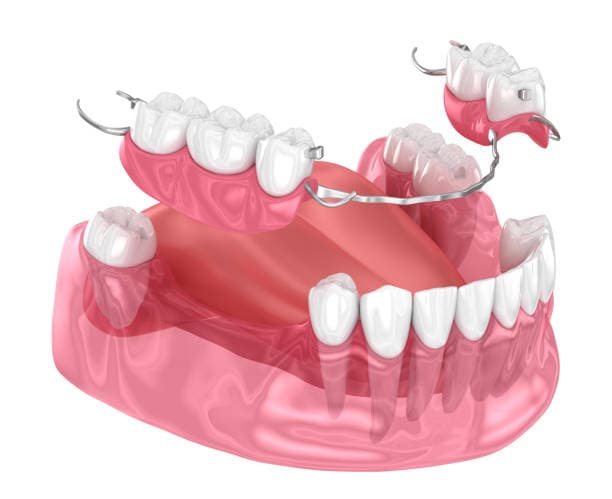
Dentures are removable appliances made of acrylic and sometimes metal. They can replace all teeth in an arch (full dentures) or only some teeth (partial dentures). Many people choose dentures because they are more affordable at the start and can be made relatively quickly.
Dental implants are small titanium posts that act like artificial tooth roots. The implant is placed in the jawbone and, after healing, supports a crown, bridge, or full arch restoration. Implant dentures, sometimes called implant supported dentures or snap in dentures, use several implants to hold a denture more firmly in place.
Both dental implants and dentures can restore your ability to smile and eat. The right choice depends on your bone health, budget, and long-term goals.
Dentures cost less at the start, but many patients pay more over the years for repairs, relines, and replacements. Dental implants have a higher upfront price, yet they can last much longer and may reduce long-term spending on tooth replacement.
When you compare dentures cost vs implants cost, it helps to look at both the first year and the years that follow. Dentures often need adjustments as the jawbone changes. Implants, once healed and stable, usually require less frequent major work.
These ranges help compare general pricing, but only a personal exam can provide an accurate estimate for your mouth.
| Tooth Replacement Option | What It Is | Typical Cost Range* |
|---|---|---|
| Full dentures | Removable plate replacing all teeth in an arch | $1,200 – $3,000 per arch |
| Partial dentures | Removable appliance replacing several teeth | $800 – $2,700 |
| Snap-in dentures (on implants) | Dentures that clip onto a few implants | $8,000 – $15,000 per arch |
| Single dental implant | Implant, abutment, and crown for one tooth | $3,000 – $5,500 per tooth |
| Implant-supported dentures | Denture fixed or clipped to several implants | $15,000 – $30,000 per arch |
*Prices vary based on your oral health, bone levels, materials, and treatment needs; Bryden Dental Center provides exact costs only after a full exam and consultation.
Some points to keep in mind about cost:
Local costs in Lewiston can differ from national averages based on lab fees, materials, and the level of service. A consultation is the best way to compare your options in real numbers.
Dental implants and implant supported dentures usually feel more stable during daily activities than traditional dentures. They stay anchored by the implants, which helps with chewing, speaking, and general comfort.
Standard dentures rely on suction, fit, and sometimes adhesive. Over time, the jawbone shrinks, and dentures can loosen. This can lead to dentures discomfort, sore spots, and difficulty with certain foods. Many patients adapt, but some still feel limited.
Implant supported dentures, snap in dentures, and fixed implant bridges use implants as anchors. This added support can help:
At Bryden Dental Center, digital imaging helps plan implant placement before treatment starts. Careful planning supports better comfort and function after healing.
Dental implants feel closer to natural teeth than removable options because they sit in the jawbone and gain stability as the bone heals around them. This solid foundation helps the crown, bridge, or implant denture feel secure during chewing, speaking, and daily activities, and many patients say they forget they even have an implant once healing is complete.
Dentures can affect speech and eating, especially at first, because they may move, click, reduce bite strength, or trap food under the base, although many patients adapt over time. Some still avoid certain foods or use adhesive, while implants or implant supported options usually offer stronger chewing and more stable speech, which the Bryden Dental Center team can review based on your needs.
Our team at Bryden Dental Center works with denture wearers to improve fit and comfort, yet it is helpful to know these limits when you make your long-term decision.
Dental implants last many years when cared for with daily brushing, flossing, and regular checkups. Dentures need more ongoing maintenance, including cleaning routines, relines, and eventual replacement.
Typical patterns many patients see:
Daily care differs for each option. Dentures need to be removed and rinsed after meals, brushed with a non-abrasive cleaner, soaked overnight, and paired with cleaning of the gums and any remaining teeth. Dental implants are cared for like natural teeth with twice-daily brushing, flossing or using special cleaning tools, and routine professional cleanings to protect the gums and bone.
When you compare dental implant vs denture longevity, implants usually give longer service life with fewer major changes, especially when placed in healthy bone and maintained well.
Implants often suit patients who want a long lasting solution, have a healthy jawbone, prefer fixed teeth, and are comfortable with a higher upfront cost and a healing period. Dentures are often better for patients who want faster results, have limited bone, prefer a lower initial fee, or are comfortable with a removable appliance. Our dentist reviews your exam, X-rays, budget, and goals to help recommend the option that fits you best.
Dental implants offer health and aesthetic benefits that dentures cannot, mainly because they help protect jawbone and facial shape over time. When teeth are lost, the bone no longer receives chewing pressure and begins to shrink, which can lead to a collapsed or older appearance around the mouth. Implants act like artificial roots and send chewing force into the bone, helping maintain bone levels, and implant supported dentures provide similar support because implants are still present under the denture. Traditional dentures sit on the gums without connecting to the bone, so they do not slow bone loss and can loosen as the jaw changes.
Implants help preserve jawbone volume and maintain lip and cheek support, while dentures do not stimulate the bone and can contribute to a hollow or collapsed look over time. Many patients feel more confident with the stability and natural appearance of implants, although dentures can still provide a good smile despite the potential for movement or slipping.
At Bryden Dental Center, the goal is to choose the option that protects your oral health and appearance as much as possible while matching your budget and comfort level.
No. Implants usually offer better stability and bone support, but they are not right for every budget, health condition, or bone level. Dentures remain a good choice for patients who want a lower upfront cost, faster treatment, or cannot undergo surgery.
Dentures can be made quickly, and immediate dentures can sometimes be placed the same day teeth are removed. Implants take longer because the bone needs time to heal around the posts before the final teeth are attached.
Dentures are often better for patients with limited bone, a tighter budget, or medical concerns that make surgery difficult. Some patients begin with dentures and move to implants later if their needs or circumstances change.
Both dentures and implants can restore your smile, but the right option depends on your bone health, budget, and long-term goals. A consultation at Bryden Dental Center gives you a clear review of your dental history, up-to-date digital imaging, and a simple explanation of the pros and cons of each choice so you can move forward with confidence.
Schedule a visit with our dental office in Lewiston to compare your tooth replacement options and choose the plan that fits you best.


Friendly staff and concerned about patients’ health and care. Great oral care by the dental hygienist that was pain-free. Dr. Wilson is very personable and extremely attentive to oral exams and care.
Everytime I go they do an outstanding job and really take the time and do it right! I appreciate all the work you guys have done for me you have made a huge difference in my smile!
Always friendly and professional. Minimal waiting room time. I would recommend Dr. Wilson anytime.